


 +353 24 904 96


7 Benefits of LED Bulbs: Reasons to Switch


More and more people decide to switch from traditional bulbs to LED bulbs. It is easy to understand why - after reading seven reasons listed below! Why not learn more about LED lighting? Why not make the change for the better? Why not improve lighting quality, reduce costs and add ambience to your place?
Table of Contents
- What are LED bulbs?
- Why is it worth switching to LED light bulbs?
- What is an LED bulb and how does it differ from traditional lamps?
- How do LED bulbs maximize energy efficiency in modern homes?
- Why is the long lifespan of LED bulbs a superior investment?
- Is switching to LED lighting a profitable long-term financial decision?
- What variety of colors and tones are available in LED lighting?
- Are LED bulbs safer for the environment and human health?
- Why is UV-free and hum-free lighting important for your wellbeing?
- LED Bulb Maintenance: Hassle-Free Upkeep for Modern Living
- Summary
- FAQ: Benefits of Switching to LED Bulbs
What are LED bulbs?
The LED bulb is not really a bulb technically. It's the solid-state lamp. LED stands for "light-emitting diode". This diode uses the current power - it is used as electric power. In other words, the LED bulb is a small-sized semiconductor. It's wrapped in plastic and it's supposed to protect every single element and focus the light.
Traditional incandescent and halogen bulbs use a tungsten filament that heats up to produce light. This filament is a fragile component that affects the bulb's energy consumption, lifespan, and makes these bulbs more prone to breakage. In contrast, LED bulbs do not have a filament. Instead, they use a semiconductor material between two electrodes. When electricity passes through, the semiconductor material converts it into light. The use of semiconductor material makes LED bulbs highly durable and resistant to breakage, unlike traditional bulbs that use fragile glass and filaments. The LED bulb is eco friendly and durable. We can use LED bulbs everywhere we want, on any occasion.

Why is it worth switching to LED light bulbs?
There is no doubt that IT IS WORTH to switch to LED bulbs. There are many arguments for choosing them - energy efficiency, long lifespan, saving a lot of money, high availability, no mercury, no UV emission and no humming sounds.By switching to energy saving light bulbs like LEDs, you can save money by reducing your energy bills and overall energy costs. The lighting in your home makes up around 18% of your annual household bills, so choosing cost-effective LED lighting can have a significant impact. For example, switching to LED light bulbs can save households around £4-6 per bulb per year, and if you have 34 lightbulbs in your house, you could save around £140 per year. LED lighting is cost effective in the long run due to reduced energy consumption and lower maintenance costs, helping you save energy and save on replacements. Additionally, LED bulbs offer significant environmental benefits, helping to reduce your carbon footprint and promote sustainability. Check details below!
|
Comparison Table: LED Bulbs vs. Traditional Incandescent Lighting
|
What is an LED bulb and how does it differ from traditional lamps?
An LED bulb is a solid-state semiconductor device that converts electricity directly into light without the use of fragile filaments or glass vacuums. Unlike traditional lamps, LEDs utilize light-emitting diodes protected by a durable plastic shell, making them significantly more robust, eco-friendly, and efficient.
Today, brightness is measured in lumens rather than watts, which helps consumers choose the right bulb for their needs. LED light bulbs use around 80% less energy than traditional incandescent bulbs, and modern LEDs can transform up to 90% of electricity into light, making them highly energy-efficient.
What’s more, LEDs produce little heat, compared to incandescents, fluorescent lights, and halogen bulbs. Compared to CFL bulbs and fluorescent lights, LEDs are more efficient, have a longer lifespan, and are more environmentally friendly. LED lighting generates significantly fewer carbon emissions than traditional lighting solutions, helping to reduce your carbon footprint. LED bulbs also last much longer than conventional light bulbs, reducing replacement frequency and maintenance costs. LED lighting is undoubtedly more energy efficient.
How do LED bulbs maximize energy efficiency in modern homes?
LED bulbs are the pinnacle of energy efficiency, requiring up to five times less power than incandescent bulbs to produce the same lumen output. By generating minimal waste heat, they ensure that nearly all consumed electricity is used for illumination, drastically lowering residential and commercial energy consumption.
Why is the long lifespan of LED bulbs a superior investment?
High-quality LED bulbs feature an extraordinary lifespan ranging from 30,000 to 50,000 hours, allowing them to last over 15 years with typical daily use. This longevity effectively eliminates the recurring need for bulb replacements, providing a "set and forget" lighting solution for any environment.
Is switching to LED lighting a profitable long-term financial decision?
Yes, while the initial cost may be slightly higher, LED bulbs are a highly profitable long-term investment due to their low power draw and zero maintenance requirements. By reducing monthly electricity bills and removing replacement costs, LEDs pay for themselves within a very short operational period. LED lighting systems are easily controllable, allowing you to adjust brightness, color, and even remotely control multiple lights via smartphone apps or smart home assistants. This level of control is possible thanks to advanced LED technology, which enables you to create the perfect lighting environment for any room in your house. For example, you can use a dimmer switch with dimmable LED bulbs to set the mood in your living room or bedroom, but it's important to check that both the fixture and the LED bulb are compatible with a dimmer control before buying, as not all LED products support this feature.
LED bulbs are designed to retrofit existing fixtures, making it easy to replace traditional light sources like incandescent or halogen bulbs with energy-efficient alternatives. When choosing an LED light source, pay attention to brightness, which is measured in lumens rather than watts—lumens indicate how much visible light the bulb will produce. Additionally, when shopping for LED products, you may see a colour rendering index (CRI) rating, which shows how accurately the bulb will illuminate other colours, helping to mimic natural light and create a comfortable atmosphere.
A lightbulb's Kelvins refer to the colour temperature of the light it emits. Higher Kelvin ratings mean a cooler, bluer light, while lower ratings produce a warmer glow. Blue light from LEDs can affect eye strain and sleep, so for bedrooms, a dimmer, bluer light may be preferred. The market for LED products is large, so always choose high-quality bulbs from reputable manufacturers to ensure safety and performance.
Sometimes we need a punchy, saturated colour effect. We can easily get colourful LED bulbs which give great theatrical and accent lighting effects. Generally, LEDs are accessible in every desired colour - RGB colours, so red, green, blue, but we are also allowed to mix the various colour components. In the case of incandescent bulbs - this would be impossible.

What variety of colors and tones are available in LED lighting?
LED technology offers unparalleled color versatility, ranging from cozy warm whites (2700K) to clinical cool whites (6000K) and full RGB color-changing options. Furthermore, LEDs provide directional light control, allowing for precise accenting of architectural features and interior decor.
Are LED bulbs safer for the environment and human health?
LED bulbs are the safest lighting choice as they are 100% mercury-free, preventing the risk of toxic exposure associated with fluorescent and incandescent lamps. By choosing LEDs, you eliminate the threat of mercury-induced health issues such as memory loss, tremors, and environmental contamination..
Why is UV-free and hum-free lighting important for your wellbeing?
Unlike older lighting technologies, LEDs do not emit harmful ultraviolet (UV) radiation or annoying low-frequency humming sounds. This makes them ideal for preventing eyestrain, headaches, and skin damage, while creating a silent, stress-free environment conducive to concentration and relaxation.

LED Bulb Maintenance: Hassle-Free Upkeep for Modern Living
Here's one of the most exciting advantages you'll discover when you make the switch from traditional incandescent bulbs to LEDs: they're incredibly low-maintenance. We're talking about a dramatic difference here. Unlike those old-school incandescent bulbs that seem to burn out right when you need them most—whether from burnt-out filaments or heat damage—LED bulbs are built to go the distance with you. This means you can finally stop playing the ladder-climbing game every few months and instead enjoy reliable, energy-efficient lighting that just works.
Here's the beautiful thing about maintaining your LED bulbs: it's refreshingly simple, and you've got this! Because LEDs generate very little heat and don't have those fragile filaments that make incandescent bulbs so vulnerable, they're far less likely to fail on you suddenly. To keep your LED lighting system running at peak performance, all you really need to do is give the bulbs and fixtures an occasional dust-off to prevent dirt buildup that can dim your light output. Just make sure your bulbs are snugly fitted in their sockets—a loose connection can mess with both performance and energy use, and nobody wants that.
Here's another quick tip that'll save you headaches down the road: double-check that your LED bulbs play nicely with any dimmer switches or smart home systems you're using. This simple step ensures you're getting optimal energy efficiency and extends your bulbs' lifespan. Unlike those finicky traditional incandescent bulbs that can get cranky with power fluctuations, quality LED bulbs are designed to handle everyday use without drama.
Bottom line? LED bulbs offer a hassle-free solution that just makes sense for modern living. With just a little basic care—and we mean basic—you'll enjoy bright, efficient light throughout your home or business while saving energy and ditching those constant bulb replacement runs. This makes LED bulbs the smart choice when you're ready to upgrade your lighting and embrace a more energy-efficient future. Your wallet (and your ladder) will thank you!
Summary
Switching to LED light bulbs is definitely the best thing you can do for your home. That's not all - LED lighting is always a good idea, also in restaurants and offices. They produce little heat. They can last many years. They are safe and they look attractive. This is all you need when it comes to lighting!
- Sale
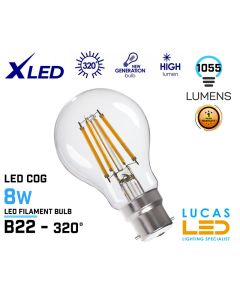 B22 LED Filament Bulb Light - 8W- 1055lm - 2700K Warm white - LED COG - Edison - New Decorative Xled bulb lampSpecial Price €4.43 €3.60 Regular Price €5.54 €4.50
- Sale
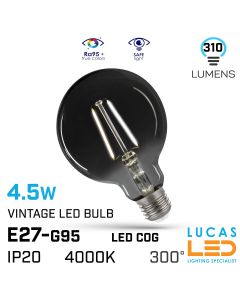 Vintage LED bulb filament light 4.5W - E27- Natural 4000K - 310lm - LED COG - Edison Modern Smoky Shine Globe Ball 95Special Price €6.89 €5.60 Regular Price €9.84 €8.00
FAQ: Benefits of Switching to LED Bulbs
Will LED bulbs fit into my old lamp fixtures?
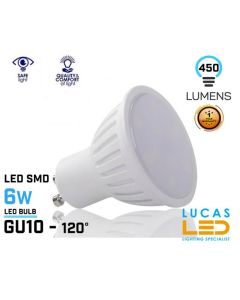
Yes, most LED bulbs are designed as "retrofit" solutions with standard bases like E27, E14, or GU10, allowing them to fit perfectly into your existing light fixtures without any modifications.
Are LED bulbs dimmable?
Many LED bulbs are dimmable, but you must check the packaging for a "dimmable" label and ensure you are using an LED-compatible dimmer switch to prevent flickering.
Do LED bulbs turn on instantly?
Yes. Unlike fluorescent bulbs that require a warm-up period, LED bulbs provide 100% brightness immediately after flipping the switch, making them perfect for hallways and motion-sensor setups.
About the Author