


 +353 24 904 96

Facts about LED lighting


Bestseller


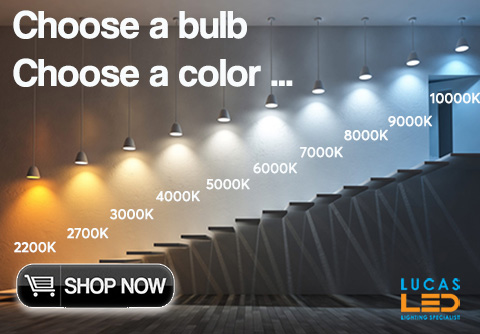
Because of its high energy efficiency and long lifespan, LED lights has become the industry standard for modern illumination. However, the science behind a light emitting diode is more complex than it appears. This post explores essential led lighting facts, from the semiconductor material used in construction to the impact on the visible spectrum.The creation of LED lights
Table of Contents
- What does LED stand for and how was it created?
- How does LED energy efficiency compare to traditional bulbs?
- Do LEDs generate heat during light emission?
- How do LED products produce white light and other colours?
- Why is LED technology better for sleep and smart homes?
- Technical Performance Table
- Summary: The evolution of light emitting diode technology
- FAQ: LED Lighting Benefits

-
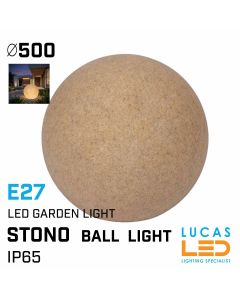 Outdoor LED Ball Lights - IP65 - E27 - Decorative STONO TRK 50 - Garden Path Lighting Ground Spike Plug LampsSpecial Price €149.45 €121.50 Regular Price €166.05 €135.00
 -
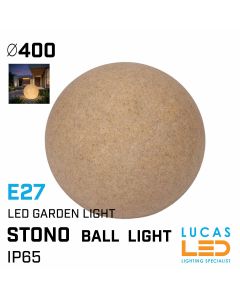 Outdoor LED Ball Lights - IP65 - E27 - Decorative STONO TRK 40 - Garden Path Lighting Ground Spike Plug LampsSpecial Price €109.78 €89.25 Regular Price €129.15 €105.00
 -
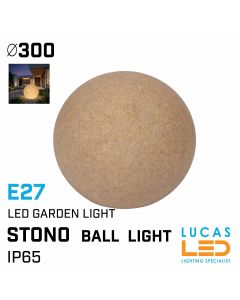 Outdoor LED Ball Lights - IP65 - E27 - Decorative STONO TRK 30 - Garden Path Lighting Ground Spike Plug LampsSpecial Price €78.41 €63.75 Regular Price €92.25 €75.00
 -
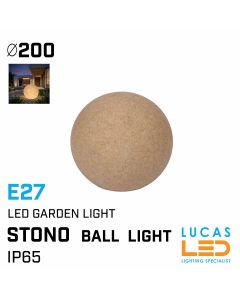 Outdoor LED Ball Lights - E27 - IP65 - Decorative STONO 20 TRK - Garden - Path - Lighting Ground- Spike Plug LampsSpecial Price €52.28 €42.50 Regular Price €61.50 €50.00

What does LED stand for and how was it created?
LED stands for Light Emitting Diode, a semiconductor material that emits light when an electrical energy current flows through it in a specific direction. This technology, unlike incandescent bulbs, does not rely on a heated filament but on the movement of electrons within a solid-state structure.
Although led technology was created in the 1960s by Nick Holonyak, it wasn't until the 2000s that led lamps were used extensively in commerce. Modern led products now dominate the market because they can emit light with high precision, eliminating the need for an external reflector in many applications.
How does LED energy efficiency compare to traditional bulbs?
LED lights use up to 80% less electricity than incandescent bulbs and maintain a significantly longer useful life, reaching up to 50,000 hours. This high efficiency results from the fact that leds convert nearly all electrical energy into visible light rather than wasting it as heat.
When compared to traditional light bulbs, incandescent light bulbs, fluorescent lamps, or cfl bulbs, led lighting products provide massive energy savings. While fluorescent tubes contain toxic materials like mercury, energy-efficient LEDs are eco friendly and help reduce the overall carbon footprint of a building.
Do LEDs generate heat during light emission?
Unlike incandescent bulbs, LEDs generate very little heat in the form of infrared light, but they do require effective thermal management through a heat sink. The heat produced by individual leds is conducted away from the light source to ensure a long lifetime and prevent lumen depreciation.
Because leds offer such low heat emission, they are safer to use in medical devices or near sensitive organic materials. Proper thermal management ensures that the light output remains stable throughout the useful life of the led light bulb.
How do LED products produce white light and other colours?
LEDs produce white light by combining blue LEDs with a phosphor material or by mixing red, green, and blue leds to cover the visible spectrum. This process allows led bulbs to create a wide
variety of colors without the need for traditional gels or filters that block light.
Why is LED technology better for sleep and smart homes?
LED technology allows for precise control of color temperature andDimming brightness, ensuring the light does not interfere with the human eye and natural sleep cycles. Through smart home integration, users can dim led lighting without changing its color temperature, a feature unlike incandescent sources.
Modern good quality led bulb designs can limit the emission of certain blue leds wavelengths that perturb our sleep. Furthermore, because LEDs operate on low voltage and reach full brightness instantly, they are the perfect partner for automated smart technology systems.
Can be used with smart technology
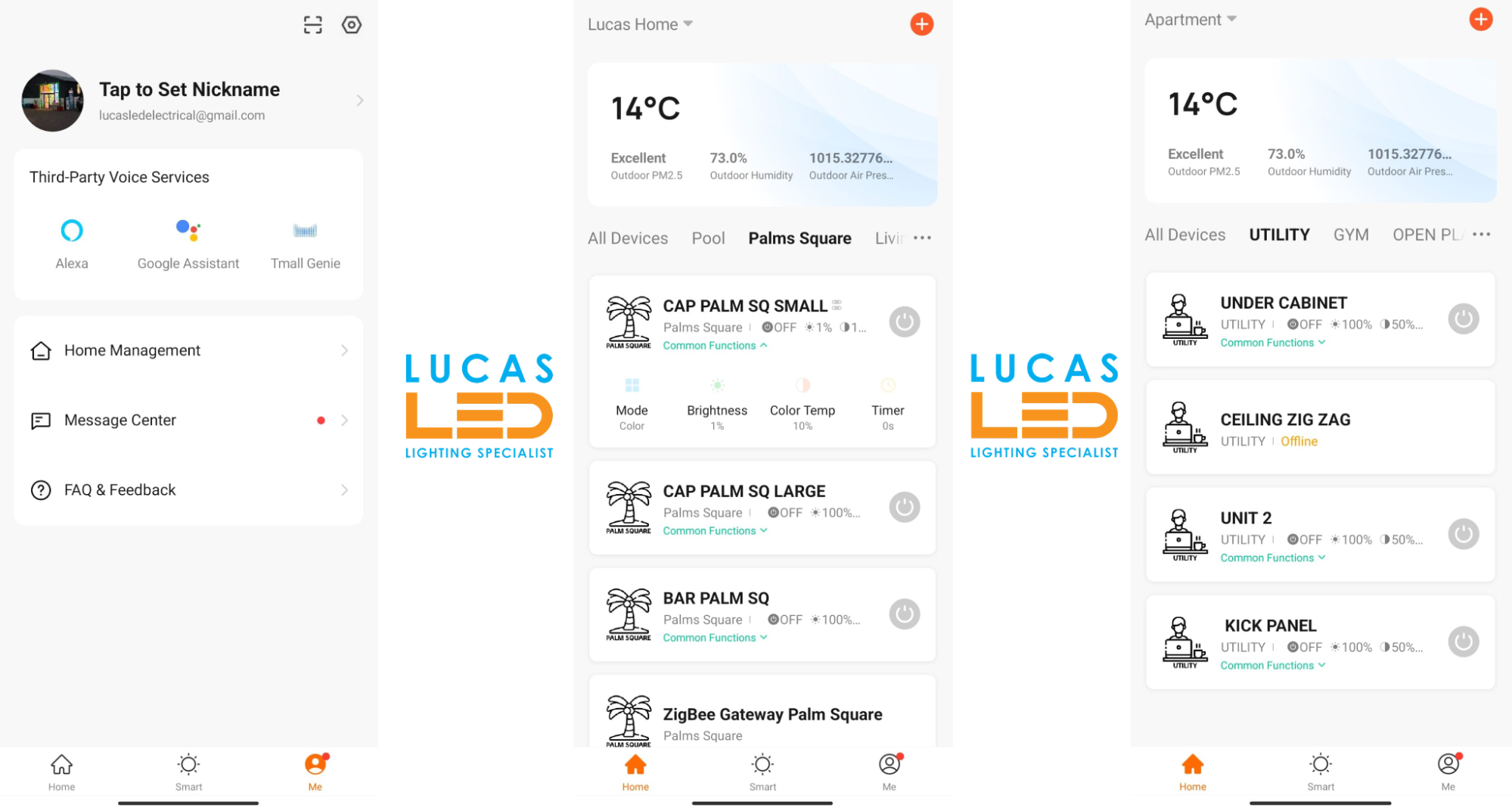
Smart home technology can be used to control LED lights, enabling users to change the brightness and color temperature from far away.
|
Specification |
LED Technology |
Incandescent Bulbs |
|
Energy Efficiency |
High Efficiency (80-90% savings) |
Low (90% energy lost as heat) |
|
Useful Life |
25,000 - 50,000 hours (long life) |
1,000 hours |
|
Heat Emission |
Very little heat (via heat sink) |
High infrared light emission |
|
Toxic Materials |
None (eco friendly) |
Contains mercury (Fluorescent) |
|
Startup Time |
Full brightness instantly |
Instant (Incandescent) / Slow (CFL) |
Technical Performance Table
The transition to LED lighting is driven by superior energy efficiency, a long lifespan, and a versatile light spectrum that traditional light bulbs cannot match. By utilizing semiconductor material instead of filaments, led lamps offer a high efficiency solution that is both eco friendly and cost-effective. Whether for plant growth, medical devices, or home use, LEDs represent the pinnacle of modern lighting types.
FAQ: LED Lighting Benefits
What are LEDs made of?
LEDs are made of a semiconductor material that emits visible light when current flows through it. Most led bulbs also use a phosphor material to convert light from blue leds into a consistent white light.
What are the main uses of LED?
LEDs are primarily used in residential led lamps, signal lights, and automotive systems. Their ability to emit a specific wavelength also makes them essential for plant growth, medical devices, and smart technology.
What are the advantages and disadvantages of LED?
The main advantages are high efficiency, long lifespan, and being eco friendly. The primary disadvantages include a higher initial cost and the requirement for precise thermal management to protect the semiconductor material.
What is the downside of LED lights?
The main downside is their sensitivity to heat, which requires a heat sink to maintain light output. If thermal management fails, the useful life of the led light bulb can be significantly reduced.
About the Author