


 +353 24 904 96


LED Colors Lighting and Color Psychology


Choosing the right led lights is more than just a functional decision; it is a way to influence our emotions and well-being. Unlike incandescent and fluorescent lamps, led technology offers a vast spectrum of different colors and colour temperatures that can be tailored to any environment.
Table of Contents
- How do LEDs produce such a wide range of colors?
- What does color psychology tell us about RGB LED lights colors?
- Why is cool light and functional white LED essential?
- How do you understand color temperature?
- What are the technical metrics for light quality: CRI and R9?
- How to choose the ideal LED color for your specific needs?
- Smart LED Lighting and Color-Safe Bulbs
- Summary
- FAQ
How do LEDs produce such a wide range of colors?
LEDs emit light through semiconductor materials, where the specific chemical composition determines the color of light produced. For example, red light is typically generated using Gallium Arsenide, while a blue led is made from Gallium Nitride.
To produce a full range of colors, led bulbs often use primary colors—Red, Green, and Blue (RGB). By mixing the light emitted from these three leds, a light fixture can produce up to 16 million different shades. White leds, on the other hand, are often created by coating a blue led with phosphor, which converts the light into a broad white light emitted spectrum that mimics natural daylight.
We offer our customersRGB LED light strips and RGB LED bulbs that can emit many different shades.
What does color psychology tell us about RGB LED lights colors?
Different colors of light can trigger specific psychological responses, affecting everything from heart rate to focus and relaxation. Understanding these meanings is essential for choosing the right light for your room.
- Red light: Associated with warmth, passion, and intense energy. Psychologically, red is a powerful stimulant that can physically increase heart rate and blood pressure by triggering the "fight or flight" response. It is ideal for high-energy areas like bars, clubs, or spaces where you want to encourage action and excitement.
- Orange light: Psychologically, orange represents a blend of the physical energy of red and the cheerfulness of yellow. It is known to promote a sense of optimism, creativity, and enthusiasm. In a home environment, orange LED light can stimulate the appetite and aid digestion, making it a fantastic choice for kitchens and dining rooms. It also fosters social communication and warmth, perfect for lively living room gatherings.
- Green light: Symbolizes nature, growth, and equilibrium. Psychology suggests that green is the easiest color for the human eye to process, which creates a deep sense of harmony. It provides a calming environment often used in medical facilities to reduce patient anxiety and promote healing. It is the color of renewal, making it perfect for spaces where you want to feel refreshed.
- Blue light: Linked to tranquility, stability, and intellectual focus. Blue light has a cooling psychological effect that can lower the pulse rate and improve concentration. In living rooms, it creates a peaceful atmosphere; however, because blue light suppresses melatonin, it can disrupt circadian rhythms. It signals the brain to stay alert, so while it's great for an office, it should be used sparingly before sleep.
- Yellow light: A bright and cheerful light source that mimics the warmth of the sun. Yellow is psychologically linked to the left side of the brain, stimulating mental clarity, happiness, and analytical thought. It is highly effective at stimulating appetite and a sense of welcome, making it a classic choice for kitchens or entryways where you want guests to feel immediate comfort.
- Purple light: Often associated with luxury, wealth, and mystery. Psychologically, purple is linked to the subconscious and the imagination. It provides a meditative and sophisticated ambience that encourages deep thought and creativity. This makes it an excellent fit for bedrooms, yoga studios, or artistic workspaces where "outside the box" thinking is required.
- Pink light: Known for its playful, gentle, and feminine vibe. Psychologically, pink is a subduing color that promotes compassion and a sense of nurturing. It is often used to mitigate feelings of anger or neglect, replacing them with a sense of gentle joy and safety. This makes it a popular choice for children's rooms, meditation spaces, or any area intended for emotional relaxation.
Why is cool light and functional white LED essential?
White LED lighting is highly functional because it provides high-quality illumination necessary for everything from general household use to professional display lighting. Unlike traditional light sources, white leds are created using a blue led chip coated with phosphors. This specific process converts the blue light into a wide spectrum of light, allowing the fixture to mimic the color temperature of natural daylight.
This technology creates more natural and versatile illumination that can be applied in various settings. Cool light (above 4000K) is particularly effective in offices and modern homes, where it ensures bright light and clear visibility. Because leds emit a broad spectrum through this phosphor conversion, they are the perfect lighting solution for tasks that require high focus and a clean, bright atmosphere.
How do you understand color temperature?
Color temperature, measured on the Kelvin scale (K), defines whether a light source appears warm or cool. Warm light (2700K-3000K) sits at the red end of the spectrum, while cool light (5000K+) moves toward the blue end.
Thermodynamic temperature ratings help categorize led lamps:
- Warm White (2700K - 3000K): Mimics the soft glow of an incandescent bulb. Best for living rooms and bedrooms.
- Natural White (3500K - 4500K): A neutral artificial light that resembles natural light at noon. Ideal for workspaces.
- Cool White (5000K - 6500K): High-intensity daylight that promotes alertness. Frequently used in offices and retail spaces.
What are the technical metrics for light quality: CRI and R9?
The Color Rendering Index (CRI) measures how accurately a light source reveals the true colors of objects compared to natural daylight. Most high-quality led light bulbs feature a CRI of 80 or higher, ensuring that colors appear vibrant and accurate. Another vital metric is R9, which specifically measures the ability to render deep red tones—a factor often missing in cheaper led products.
Technically, leds are far superior to incandescent lamps or hid lamps because they convert nearly 80% of energy into illumination, losing very little as heat. While a traditional bulb might last 1,000 hours, a modern led lamp can operate for 50,000 hours, maintaining a consistent kelvin temperature throughout its life.
How to choose the ideal LED color for your specific needs?
Selecting the right light depends on the function of the space and the mood you wish to create. For outdoor lighting, cool white is often preferred for security, while warm white creates a welcoming porch ambience.
- For Productivity: Use blue light or cool colors (5000K+) to boost serotonin and focus in offices and study areas.
- For Relaxation: Choose warm white bulb or orange tones to mimic a sunset, signaling your brain to wind down and prepare for rest.
- For Commercial Spaces: Retailers often use bright, high-CRI white light to make products look more appealing and vibrant to consumers.
Read also: Facts about LED lighting
Smart LED Lighting and Color-Safe Bulbs
Smart LED lights and LED bulbs are revolutionizing how we think about lighting in our homes. These products are not only available for convenience, but also for personalization and use when that's not possible.
With smart LED lights, you can easily adjust the brightness and color temperature of your lighting to ensure optimal control for every use. Whether you want to turn on with the lights on, dim, or bright, white lights for working or reading, smart LED lights can handle everything you turn on.
Summary
In conclusion, led colors significantly impact our mood, productivity, and sleep patterns. By understanding the relationship between color temperature, CRI, and psychology, you can transform any space into a functional and healthy environment. Whether you are using smart bulbs to change colors on the fly or installing permanent led strips, the right light will always make a difference in your quality of life.
- Sale
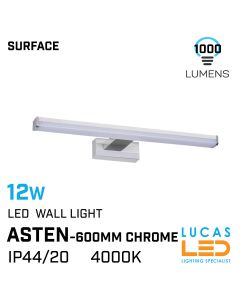 LED Wall Light - 12W - IP44 - 1000lm - Natural White - LED SMD - Led Bathroom Light ASTEN 600mm - colour-GraySpecial Price €38.75 €31.50 Regular Price €43.05 €35.00
- Sale
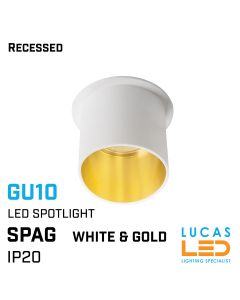 CLEARANCE - Recessed LED Downlight - Ceiling fitting - GU10 - IP20 - SPAG L - White / GoldSpecial Price €4.92 €4.00 Regular Price €17.22 €14.00
- Sale
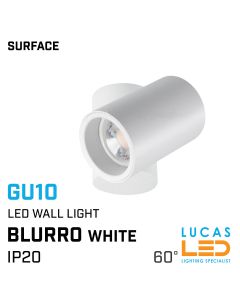 LED Wall light - Gu10 - IP20 - surface wall mounted reading lamp - BLURRO White body-WhiteSpecial Price €42.07 €34.20 Regular Price €46.74 €38.00
FAQ
What are the different LED colors?
Leds emit a wide range of colors, including the primary colors (Red, Green, Blue) and various shades of white light ranging from warm to cool.
What are the 7 colors of LED light?
Most RGB systems can replicate the colors of the rainbow: Red, Orange, Yellow, Green, Blue, Indigo, and Violet by mixing different intensities of light.
What are the three colors of LED lights?
The core primary colors for led technology are Red, Green, and Blue (RGB). These are the building blocks for millions of other led colour temperatures.
What do the different colors of LED lights do?
Warm colors (red/yellow) promote relaxation and appetite, while cool colors (blue/white) enhance concentration and alertness.
Is blue light from LEDs harmful?
While blue light is great for daylight productivity, it can interfere with sleep if used late at night as it suppresses melatonin production.
About the Author