


 +353 24 904 96


Kitchen island lighting ideas— 5 ways to illuminate your space


The kitchen island is often the heart of the home, serving as a place for food preparation, dining, and socializing. Choosing the right lighting is essential to make this space both functional and beautiful. From bright task lighting to a soft glow for a relaxing moment, the way you illuminate this area can completely transform your kitchen.
Table of Contents
- How to do the task right with your island lighting?
- How to let your light over the island shine subtly?
- How to enhance your style with kitchen pendant lights?
- Why choose a discreet look with nothing in your sight?
- How to mix and combine different lighting types?
- Technical Performance: Dimensions, Spacing, and Lumens
- Conclusion: Get the most out of your kitchen lighting
- FAQ: Kitchen Island Lighting Guide
How to do the task right with your island lighting?
To ensure safety and comfort during food preparation, you should install bright task lighting that directs illumination exactly where you need it.Whether you want to use your kitchen island solely for food preparation or for doing some other work as well, you could definitely use bright task lighting in order to make sure you have sufficient illumination to perform your tasks safely and comfortably. With this in mind, you may consider hanging lights that are designed to direct the light downwards and have long cables bringing the light source closer to you. Another type of task lighting that provides more intense illumination and focuses on a specific area is recessed lighting with halogen or LED bulbs which, for the sake of your eyesight, should not produce much glare.
How to let your light over the island shine subtly?
Subtle ambient lighting contributes to a pleasant atmosphere, making your dining area an ideal place for socializing and resting.
Imagine you are sitting with your friends at your dining table, sipping wine and enjoying the moment. Or, picture yourself and your family gathered at the breakfast bar with the aim of celebrating your time together. Subtle ambient lighting is what can contribute to creating a pleasant atmosphere and making your dining area an ideal place for socializing and resting. What kinds of light fittings can give soft, ambient light? A wide variety of decorative pendant lights or chandeliers that give unobtrusive and gentle-to-the-eye light will definitely work well over your kitchen island. If you look for more flexibility, you might consider installing a fixture equipped with a dimmer switch as it will give you the possibility of adjusting brightness to your current needs.

Tip: When talking about adding ambience to your kitchen, combining your ambient lights with accent lighting (for example, on the underside of your kitchen island) will be a nice finishing touch to the contemporary design of your kitchen.
How to enhance your style with kitchen pendant lights?
Choosing the right fixtures allows you to create a focal point that reflects your personal style and enhances the overall design of the house. Installing high-quality kitchen pendant lights ensures that the island becomes an eye-catcher for anyone entering the room. Before deciding, you should consider the size of your island and how it relates to the adjacent dining room. Finding the center point is crucial for a balanced look; many designers recommend an arrangement of three pendants to provide even coverage.
- Industrial feel: If you want to feel the spirit of industrialism, choose kitchen pendant lights with a copper, chrome, or steel finish. These blend perfectly with a contemporary design, combining roughness and delicacy.
- Classy glass: Glass shades can embellish the elegance of your interior in a breathtaking way. Specifically, smoked glass shades are a popular choice for those wanting a sophisticated, slightly mysterious look that complements both minimalist and decorative styles.
- Fancy fixtures: For a bit of extravagance, ornate chandeliers or futuristic installations can elevate your dining space. Many modern versions now come with a remote control, allowing you to adjust the mood instantly for any occasion.
Balancing the dining area with additional layers
To create a truly harmonious dining space, you shouldn't rely solely on overhead fixtures. While kitchen pendant lights act as the primary source of light for the island, you can add warmth to the rest of the dining room by incorporating floor lamps in the corners or near seating areas. This layered approach—combining hanging lights with portable floor lamps—ensures that every part of the open-plan area is well lit and inviting for both rest and social gatherings.
Why choose a discreet look with nothing in your sight?
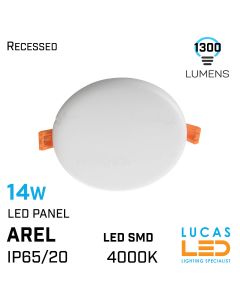
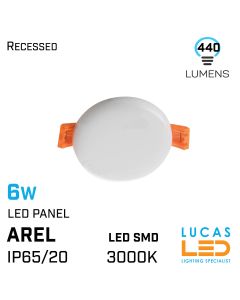
Recessed lighting built directly into the ceiling is the perfect solution for homeowners who prefer an uncluttered view or have low ceilings.
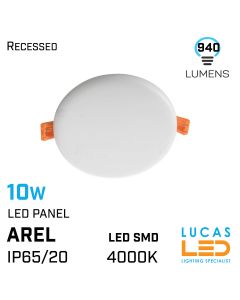
Not everyone likes it when a light fixture obscures the view and becomes a focal point of the kitchen. If you prefer the space above your kitchen island or breakfast bar to be free of any hanging elements, choose discreet recessed lighting that is built directly onto the ceiling. Such lights can be a good solution in case of low ceilings, as they help to leave the limited space above your island uncluttered while still offering effective illumination and directional light.
How to mix and combine different lighting types?
Most contemporary kitchens incorporate a variety of lights sources to enable people to easily switch between ambient and task lighting depending on the occasion.
Recessed lighting is frequently combined with hanging lights, which helps achieve more spectacular illumination. While recessed lights highlight specific features of the kitchen design whereas pendants provide more focused light that shines directly on the surface of your kitchen island. This balance ensures you have enough light for eating, cooking, or just creating a warm mood.
Technical Performance: Dimensions, Spacing, and Lumens
To achieve the perfect lighting balance, follow the general rule of thumb for positioning and height.
- Height: Pendant lights should typically hang 30 to 36 inches (76-91 cm) above the kitchen island surface.
- Spacing: When installing three pendants, keep them about 30 inches (76 cm) apart to ensure even illumination across the edges of the island.
- Size: The diameter of a pendant should be roughly 12-18 inches for a standard island. If using two pendants, they can be larger to serve as a stronger focal point.
- Brightness: For task lighting, aim for 300-400 lumens per linear foot of the island. For ambient light, a lower intensity or a dimmable setup is suitable to act as a mood-setter.
Conclusion: Get the most out of your kitchen lighting
As you can see, there are many ways of illuminating kitchen islands. It all depends on various factors, such as the style of your kitchen, the role a ceiling light is supposed to play, how spacious the room is and what your personal preferences are. With proper lighting you can add ambience, ensure effective illumination for various tasks and activities, bring out the most unique features of the design, or make up for poor natural light, to name just a few examples. The final word? Choose the idea that appeals to you and explore the full potential of illumination in your kitchen!
FAQ: Kitchen Island Lighting Guide
What type of lighting is best for a kitchen island?
A combination is best. Pendant lights are the best option for style and task lighting, while recessed lights provide excellent general lighting without obstructing the view.
What are the rules for kitchen island lighting?
The general rule is to hang lights 30-36 inches above the table and keep fixtures at least 6 inches from the edges of the island to prevent hitting your head.
What are common kitchen island mistakes?
Common mistakes include hanging the lights too high (causing glare) or too low (obstructing the view), and choosing a size that is too small for the island's diameter.
What is the 5-7 light rule?
This refers to hanging wall lights or pendant elements at a height of 5 to 7 feet from the floor to ensure the light source is at a comfortable level for the eye while providing adequate spread.
About the Author