

 +353 24 904 96


Differences between MR11 and MR16 bulbs


It’s important to know what are the differences between the most common tracking lights at the time to select it for your illumination. The most common bulbs on track lighting are the MR11 and MR16, but what are the differences between them?
Table of Contents
- What is the main difference in diameter between MR11 and MR16 bulbs?
- Technical Breakdown: MR11 vs. MR16 Comparison
- MR16 vs MR11 bulbs: When to use accent lighting vs track lighting?
- Understanding bi pin base and pin spacing for MR bulbs?
- Voltage requirements: Choosing the right transformer for low voltage bulbs
- LED vs Halogen: Reducing energy consumption with modern lighting solutions
- Summary: How to match the right bulb to your fixtures?
- FAQ: Professional MR Bulb Comparison
What is the main difference in diameter between MR11 and MR16 bulbs?
The primary difference between mr11 and mr16 bulbs is their physical diameter. The number in the name refers to eighths of an inch: an mr11 bulbs has a diameter of 1.375 inches (11/8"), while mr16 bulbs measures 2 inches (16/8"). This small size difference determines which compact fixtures the light will fit into.
Both are types of a multifaceted reflector (mr) lamp, designed to produce a focused light. Because mr16 bulbs are larger, they typically offer a higher light output and a wider range of wattage options. When comparing mr16 vs mr11 bulbs, it is essential to measure your fixtures correctly to ensure the bulb fits the space provided in your settings.
Technical Breakdown: MR11 vs. MR16 Comparison
|
Feature |
MR11 Bulbs |
MR16 Bulbs |
|
Diameter |
1.375 inches (11/8") |
2.0 inches (16/8") |
|
Bi Pin Base |
GU4 (4mm apart) |
GU5.3 (5.3mm apart) |
|
Best Used For |
Accent lighting, display cases |
Track lighting, spotlights |
|
Size Category |
Compact size for small fixtures |
Standard size for most settings |
|
Typical Wattage (LED) |
2W – 3W (Energy efficient) |
4W – 7W (High output) |
|
Beam Type |
Very focused light |
Versatile beam angle control |
|
Voltage |
Usually low voltage (12V) |
Mostly low voltage (12V) or GU10 |

MR16 vs MR11 bulbs: When to use accent lighting vs track lighting?
MR11 bulbs are ideal for compact fixtures and accent lighting in small settings like display cases, while MR16 bulbs are the standard choice for track lighting and spotlights in living rooms. Both provide excellent beam control and a narrow beam for highlighting specific areas.
Choosing between mr16 and mr11 depends on your lighting needs. If you want a bright light to illuminate a large piece of art, the mr16 and mr11 choice usually leans toward the MR16 due to its superior illumination power. However, for under-cabinet lighting where space is limited, the compact size of the mr11 bulbs provides a more subtle lighting experience.
Understanding bi pin base and pin spacing for MR bulbs?
A crucial part of installation is identifying the bi pin base. MR16 bulbs typically use a GU5.3 base with a pin spacing of 5.3mm, whereas MR11 bulbs use a GU4 base with a pin spacing of 4mm. Matching the pins to the socket is essential for the bulb to function and operate safely.
If you try to force the wrong voltage or wrong base into a fixture, you risk complete failure or a short circuit. Always double check the bi pin base of your common bulbs before purchase. Modern led lighting versions of these bulbs maintain the same bi pin base standards, making the switch from halogen to led very straightforward.

Voltage requirements: Choosing the right transformer for low voltage bulbs
Most mr bulbs are low voltage (12 volts) and require a transformer to operate on mains voltage. It is essential to use the correct voltage to avoid damaging the led technology. While some mr16 bulbs are designed for mains voltage (GU10), most spotlights require a dedicated power supply.
When upgrading to led light bulbs, ensure your existing transformer is compatible with led technology. Some older halogen transformers have a minimum wattage requirement that energy efficient leds might not meet, causing flickering. Choosing a dimmable led bulb also requires a compatible dimmer switch to easily adjust the brightness and create the perfect ambience.
LED vs Halogen: Reducing energy consumption with modern lighting solutions
Switching to an energy efficient led bulb from halogen bulbs can significantly reduce energy consumption by up to 90%. LED lights produce very little heat compared to halogen or incandescent bulbs, which waste more energy and can get dangerously hot during longer periods of use.
Modern led lighting solutions offer the same bright light and color temperature as traditional lighting but with much higher efficiency. By using fewer watts to produce the same light output, you save money on electricity bills. Additionally, led bulbs have a much longer lifespan compared to traditional bulbs, reducing the need for frequent replacements.

Summary: How to match the right bulb to your fixtures?
To match the right bulb to your fixtures, first determine the diameter (mr11 vs mr16 bulbs) and the bi pin base. Then, check the voltage requirements—if it's low voltage, ensure you have a compatible transformer. Finally, choose an energy efficient led bulb with the right beam angle and color temperature to enhance your lighting experience while saving energy.
- Sale
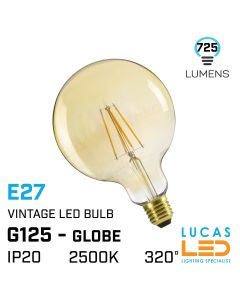 7W LED Vintage Bulb Filament light E27 - 2500K Warm White -725lm- viewing angle 320° - decor retro style Goble Ball 125Special Price €7.38 €6.00 Regular Price €11.07 €9.00
- Sale
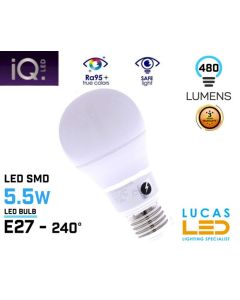 E27 LED bulb light - 5.5W - 470lm - 2700K - beam angle 240°- A60 - New IQ Technology-Warm WhiteSpecial Price €3.67 €2.98 Regular Price €4.58 €3.72
- Sale
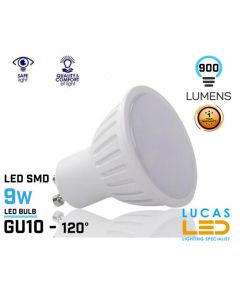 Gu10 LED bulb 9W - viewing angle 120° - MAXX LED Light source-Natural WhiteSpecial Price €5.54 €4.50 Regular Price €7.38 €6.00
FAQ: Professional MR Bulb Comparison
What does MR stand for in light bulbs?
MR stands for multifaceted reflector. This refers to the reflector inside the bulb that helps to create a focused light or a narrow beam, making it perfect for accent lighting and spotlights.
Are MR11 and MR16 bulbs interchangeable?
No, they have different diameters and pin spacing. An MR11 bulb is 1.375 inches wide with a GU4 base, while an MR16 bulb is 2 inches wide with a GU5.3 base. You must use the bulb size your fixture is designed for.
Can I replace halogen MR16 with LED bulbs?
Yes, you can replace halogen bulbs with LED bulbs to save energy. However, you must match the voltage (usually 12V low voltage) and ensure your transformer is compatible with the lower wattage of LEDs.
Do MR bulbs work with a dimmer switch?
Yes, but only if you choose dimmable LED bulbs. You will also need a dimmer switch that is compatible with low voltage LED lighting to ensure the brightness can be dimmed without flickering.
How much energy do LED MR bulbs save?
An energy-efficient LED bulb uses about 5-7 watts to produce the same brightness as a 35-50 watt halogen bulb. This leads to significant energy savings and lower electricity bills in the long run.
About the Author