


 +353 24 904 96


How to design hotel room lighting?


In order to give guests a relaxing and comfortable stay, hotel rooms must have good lighting. The right lighting may improve the appearance of the space and make guests feel more at home. By providing enough light for activities like getting dressed or using the restroom, lighting may also increase security and functionality for guests. Whether it's a modern hotel or a luxury suite, the first impression often depends on how you illuminate the room.
Table of Contents
What to remember when lighting hotel rooms?
When planning hotel room lighting, you must remember to balance aesthetics with practical functionality, ensuring that guests can easily control light levels to suit their mood. It is crucial to consider the different zones of the hotel room, from the sleeping area to the workstation, providing a seamless mix of fixtures that enhance the overall guest experience.
Things to consider about lighting in hotel rooms:
- Layers of light

Using layered lighting is the best approach to light a hotel room. Overhead lighting (or general light), task lighting, and accent lighting are all parts of layered lighting. The primary light source in the area is provided by ceiling lights or chandeliers that give enough illumination. Task is designed to light particular places, such as a work desk, dressing table, or bedside table reading lights and desk lamp fixtures. Accent lighting is utilized to call attention to certain features of a room, such as artwork or architectural elements , adding an extra level of style to hotel bedrooms.
- Dimmer switches

Dimmers are an excellent complement to hotel room lighting, since they allow guests to change the light levels to their comfort. Dimmers may help to create a more comfortable atmosphere in a space, especially in the evenings when visitors may prefer softer room lighting to watch tv or relax.
- Color temperature

Color temperature is an indicator of how warm or cold a light source is. It is represented in Kelvin (K), with lower values indicating warm or yellow light and higher ones indicating cool or blue light. Warmer light (2700K-3000K) is ideally suited for hotel rooms to create a cosy, inviting and welcoming ambiance. Cooler lighting (5000K-6000K) is exceptional for places where guests must focus, such as the workstation or restroom or near mirrors in the bathroom.
- Energy efficiency

In the hospitality industry, energy efficiency is a key factor. Energy-efficient lighting fixtures not only save energy and money, but they also help the hotel's environmental initiatives. LED lights are an excellent option for guest room lighting since they are energy-efficient, have a long lifespan, and produce less heat, making them a practical and stylish choice for a modern hotel.
- Natural light

A hotel room's environment can be greatly improved by natural light. It gives the room a feeling of openness and freshness, making it feel cosier. The majority of the time, guests support hotel rooms with wide windows or balconies that allow in natural light.
Technical lighting performance in modern hospitality
Boutique hotels rely on precise technical specifications to balance luxury with energy efficiency, often achieving a power density of less than 5 watts per square meter in guest rooms. To provide enough light for visual tasks, a bedside table should have a brightness of approximately 300 to 500 lumens, while the general light from ceiling lights should total around 2000 lumens for a standard-sized hotel room. Implementing dimmer switches can reduce energy consumption by 20-30% during evening hours when full illumination is not required. Furthermore, using LED technology with a Color Rendering Index (CRI) of 90+ ensures that artwork and style elements in boutique hotels appear with neat and accurate colors, significantly improving the overall guest experience and impression of the brand.
Summary
In conclusion, hotel room lighting is an essential part of the guest experience. An attractive and inviting atmosphere for guests is created through layering lighting, warm colour temperatures, dimmer switches, natural light, and energy-efficient lighting fixtures like wall lights or statement lighting. Hotels with careful lighting design in their rooms are more likely to make a good first impression, which will increase customer happiness and loyalty in the competitive hospitality industry.
- Sale
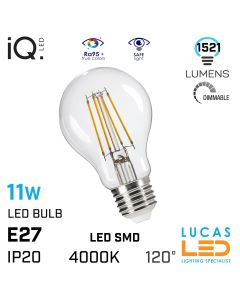 E27 LED Dimmable Bulb Light 11W - 4000K Natural White - 1521lm - LED FilamentSpecial Price €5.90 €4.80 Regular Price €7.38 €6.00
FAQ
What is the 5'7" lighting rule?
In hotel lighting, this rule suggests that wall lights or sconces should be mounted at a height where the light source is approximately 5'7" (170 cm) from the floor, ensuring the illumination is at eye level for most guests without causing glare.
What are the lighting requirements for hotels?
Hotels must provide a mix of general light, emergency lighting, and functional task lighting. Ideally, guest rooms should have a welcoming warm light (2700K) and high energy efficiency to meet industry standards and save energy.
What are the 4 types of lighting?
The four types of lighting used to create a perfect ambience are ambient (general), task, accent, and decorative (or statement lighting). In a hotel room, a neat combination of these ensures both functionality and luxury.
What is the new trend in lighting?
A major trend in the hospitality industry is "human-centric lighting," which adjusts light levels and colour temperatures throughout the day to match the human circadian rhythm, helping guests sleep better and relaxing during their stay.
About the Author