


 +353 24 904 96


How to use lighting to make small room look bigger?


We all know that living in a small place produce the sensation of being cramped and cluttered but there are some ways to make it feel more open. Choosing the right lighting is very important to make our home looks a bit bigger and more airy. By understanding how to manipulate light sources, you can transform a restrictive small room into a comfortable sanctuary.
Table of Contents
What are the best options to visually enlarge a room?
To make a small room feel larger, you must maximize natural light, use pale colours on surfaces, and strategically place mirrors to reflect light into dark areas. Integrating these elements with professional lighting tips like layered artificial light ensures a sense of space even in the most limited square footage.
Use natural light sources
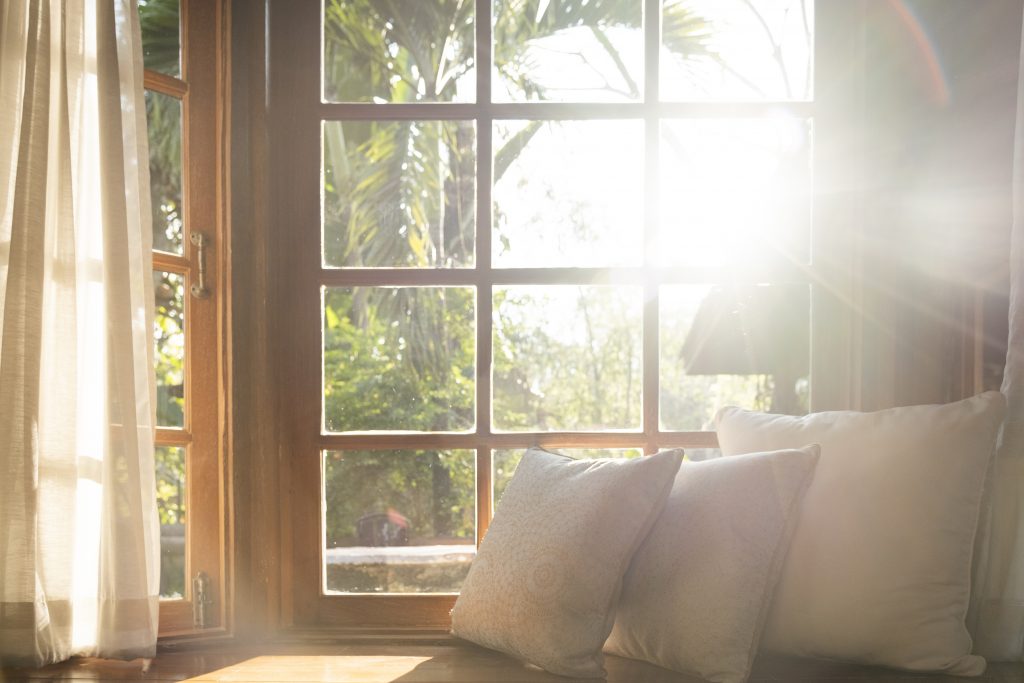
Using natural light is always a great way to light our small place: it's free and it creates and airy and warm sensation. You should try to have the bigger number of natural lights sources by keeping windows uncovered, using curtains or blinds. When natural sunlight is allowed to flow freely through the room, it eliminates dark areas and helps to spread a sense of warmth across the floor. A bright window acts as a portal that extends the eye level beyond the walls, which is a fundamental interior design trick to make the space feel much larger. If you want to create a sense of continuity, avoid heavy drapes that block the light sources and instead opt for fabrics that let the natural daylight shine into every corner.
Use light colours

We can also use lights colours in our walls, floors and ceilings. Colours such as white, cream or pastel colours reflect the light and make a sensation of bigger space. You should try to avoid using dark colours because they can make the space feel smaller and cluttered. White walls and high ceilings painted in pale tones are essential because they allow both artificial light and natural light to bounce light around the room. When the surfaces reflect light efficiently, it minimizes harsh shadows that usually define the boundaries of a small space. Using glossy finishes on your furniture or floors will further illuminate the area, as the light will shine and spread more effectively, giving the inhabitants a true sense of space.
Use mirrors

Using mirrors is also a great idea to make a small place looks bigger. They reflect the light and make an illusion of depth, making the space seem bigger and open. You can put a large mirror on a big wall to reflect a natural light source. A large mirror opposite a window is one of the most effective ways to create a sense of an extra room. It captures the natural light and throws it back into the dark corners, ensuring that the brightness reaches even the most obscured parts of the small room. By hanging mirrors at eye level, you effectively double the visual space and create a feeling of openness that makes the entire room feel larger. This technique works with both ceiling lights and floor lamps, as any light source reflected in a glass surface adds to the depth.
Use accent lighting
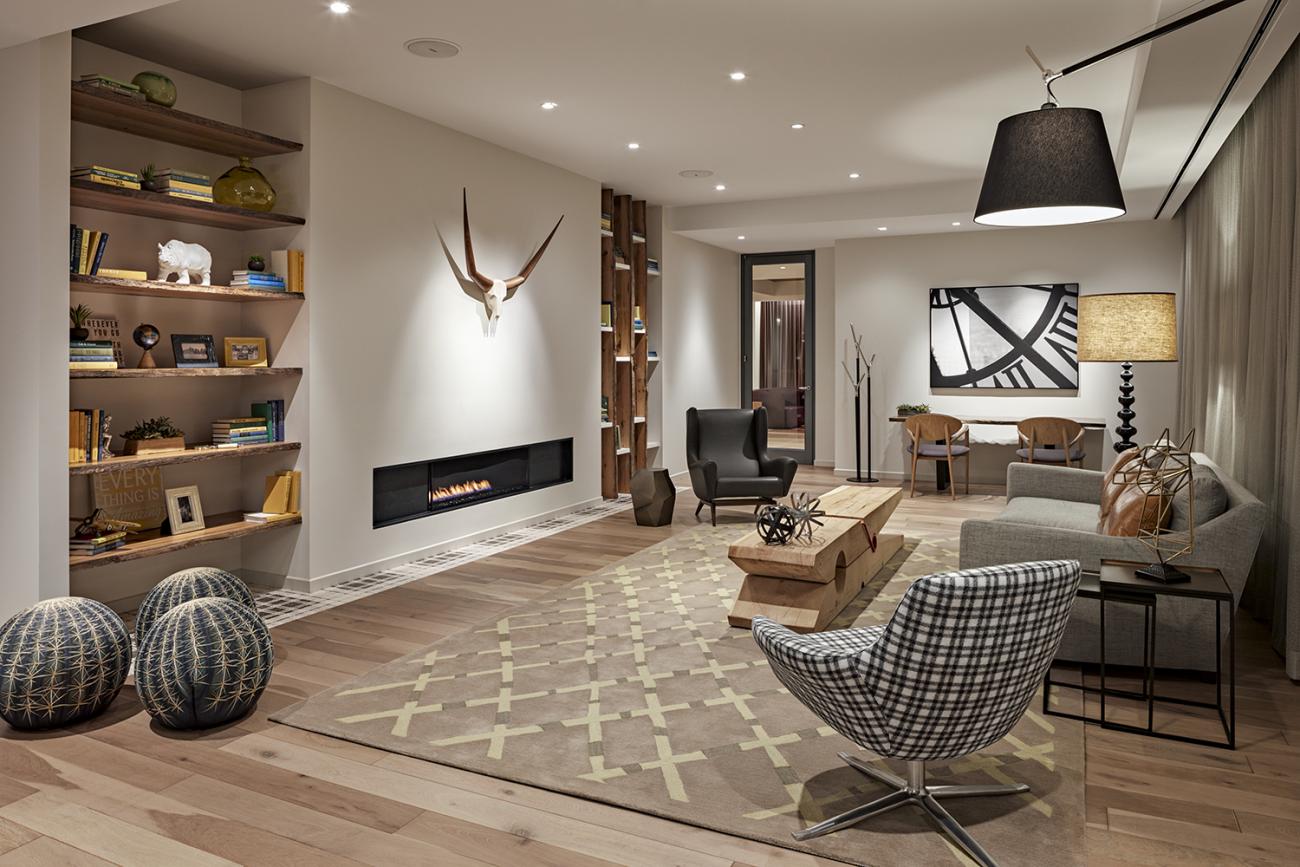
Using accent lighting can be a good option to focus the attention to a specific area of the room and create a sensation of depth. You can use track lighting to highlight artwork or a statement piece of furniture, or add under-cabinet lighting in the kitchen to create a warm and inviting atmosphere. To truly make the room feel more spacious, you should combine different light sources such as wall lights, table lamps, and floor and table lamps. Using vertical space by adding wall lamps or wall sconces draws the eye upward, making the ceiling feel higher. Recessed spotlights are also a professional choice for small spaces because they provide bright light without occupying physical floor space. By layering direct light with indirect light, you eliminate the dark areas that make a room feel confined.
Technical Performance: Maximizing Light Spread
To visually enlarge a small room, the lighting setup should aim for an even distribution of 300–500 lumens per square metre using multiple sources, including tall floor lamps. In a small space, relying on a single ceiling lamp is a mistake, as it creates heavy shadows in the corners. Instead, using multiple sources like floor lamps and table lamps ensures that the light is spread evenly. For example, placing a lamp on a side table creates a soft glow that distracts from the walls. Statistically, using light colours with a high Light Reflectance Value (LRV) can increase the brightness of artificial light by up to 40%. Combined with a large mirror, this setup ensures that even with a low wattage, the room feel remains bright and airy for extended periods.
Conclusion
Light can be a powerful tool in the way to make a small space looks bigger and open. Using natural light sources, light colours, mirrors and accent lighting we can make a sense of depth that is going to make our home a more spacious and warmer one. By following these top tips and carefully choosing your floor space layout, you can create a flow of light that transforms your home into a bright and open sanctuary.
- Sale
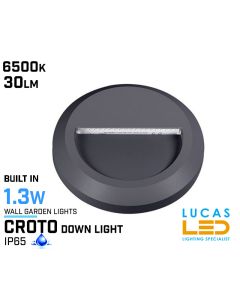 LAST 8 pcs ONLY - Outdoor LED Wall Light CROTO ROUND - 1.3W - IP65 - CLEARANCESpecial Price €24.60 €20.00 Regular Price €39.36 €32.00
- Sale
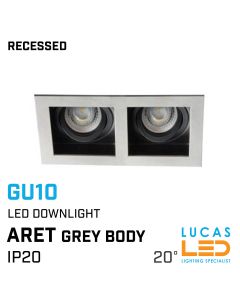 LED Recessed Spotlight - Ceiling fitting - 2 x GU10 - IP20 - Vertical adjustment of 20° - ARET GreySpecial Price €12.30 €10.00 Regular Price €18.45 €15.00
- Sale
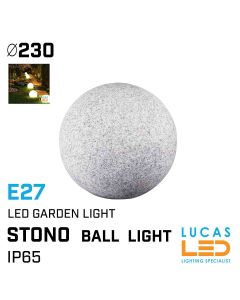 Outdoor LED Ball Lights - E27 - IP65 - Decorative STONO 230 - Garden- Path- Lighting Ground- Spike Plug LampsSpecial Price €62.73 €51.00 Regular Price €73.80 €60.00
FAQ: Professional Lighting Tips
How to make a room look bigger with lighting?
Use multiple sources of lighting to eliminate shadows. Combine ceiling lights with floor lamps and table lamps to spread the light into every corner.
What is the 5 7 light rule?
This rule suggests that wall lights or wall lamps should be placed at eye level (around 5 to 7 feet) to reflect light across the room and create a balanced ambience.
How to visually enlarge a small room?
The best way is to use white walls, hang a large mirror opposite a window, and utilize indirect light to create a sense of depth.
What kind of ceiling light makes a room look bigger?
Recessed spotlights or a ceiling lamp with a flat design are best, as they don't occupy vertical space and illuminate the whole ceiling area.
What is the best lighting for a small room?
A mix of natural light during the day and layered artificial light (using floor and table lamps) at night to maintain an open feel and bright atmosphere.
About the Author